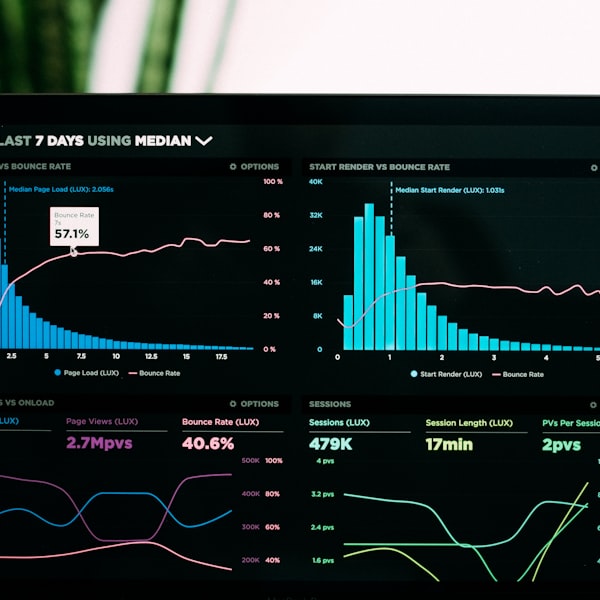
Most “technical audits“ we inherit from previous agencies are glorified Lighthouse screenshots. A real audit checks 120+ things across 8 categories, classifies them by business impact, and produces developer-ready tickets with acceptance criteria. Here is the exhaustive checklist we run.
1. Crawlability & indexation (22 checks)
- robots.txt syntax and sensibility
- XML sitemap presence, freshness and format
- Canonical tags on every URL
- Duplicate content via URL parameters
- HTTP vs HTTPS canonicalisation
- Trailing-slash consistency
- www vs non-www canonicalisation
- noindex tags on paginated pages
- Soft-404 detection
- Orphan pages
- Crawl budget waste (faceted filters, session IDs, search result pages)
- X-Robots-Tag header consistency
- Hreflang implementation if multi-regional
- Pagination: rel=next/prev legacy vs modern patterns
- JavaScript-rendered content crawlability
- Mobile vs desktop parity
- IP-based cloaking detection
- Server response codes (200 vs 301 vs 302)
- Redirect chains over 2 hops
- Redirect loops
- Broken internal links (4xx/5xx)
- Google Search Console coverage issues
2. Core Web Vitals (14 checks)
- LCP: largest contentful paint under 2.5s on field data
- INP: interaction to next paint under 200ms
- CLS: cumulative layout shift under 0.1
- FCP: first contentful paint
- TTFB: time to first byte
- Hero image preloading strategy
- Font loading strategy (swap, optional, block)
- Third-party script audit
- Render-blocking JavaScript
- Render-blocking CSS
- Main-thread blocking tasks
- Image lazy loading implementation
- Above-the-fold image format (AVIF, WebP)
- Responsive image srcset usage
3. Site architecture (16 checks)
- URL structure and readability
- Click depth from homepage
- Internal linking silo models
- Breadcrumb navigation + structured data
- Footer linking hygiene
- Anchor text distribution internal
- Orphan pages in internal graph
- Hub and spoke architecture
- Parent category structure
- Filter and facet URL rules
- Pagination architecture
- Tag page handling
- Author page canonicalisation
- Search result page noindex
- Faceted navigation canonical rules
- Mobile menu structure
4. Schema markup (12 checks)
- Organization schema on homepage
- WebSite schema with sitelinks search
- BreadcrumbList on every page
- Article schema on blog posts
- Product schema on e-commerce
- LocalBusiness schema if applicable
- FAQPage schema where relevant
- Review / AggregateRating schema
- Event, Recipe, HowTo as appropriate
- Valid JSON-LD syntax
- Rich Results Test validation
- Schema consistency across pages
5. Mobile & responsive (10 checks)
- Mobile-first indexing parity
- Viewport meta tag
- Tap target sizing
- Font size readability
- Horizontal scrolling detection
- Mobile menu usability
- Responsive image delivery
- Touch interaction delays
- Accelerated Mobile Pages (legacy audit)
- PWA manifest and service worker if applicable
6. Security (12 checks)
- HTTPS enforcement
- HSTS header
- Mixed content detection
- Content Security Policy
- X-Frame-Options
- X-Content-Type-Options
- Referrer-Policy
- Permissions-Policy
- TLS version (1.2+)
- Certificate validity and chain
- Vulnerable JavaScript library versions
- Directory listing exposure
7. International & accessibility (12 checks)
- Hreflang tag reciprocity
- Language-region code validity
- x-default implementation
- Language detection by URL, not IP
- Alt text on all images
- Semantic HTML5 landmarks
- Heading hierarchy (one H1 per page)
- Form label association
- Color contrast WCAG AA
- Keyboard navigation
- ARIA attributes correctness
- Screen reader testing
8. Analytics & tracking (12 checks)
- Google Analytics 4 implementation
- Google Search Console verification
- Bing Webmaster Tools verification
- Event tracking completeness
- Conversion goal setup
- Tag Manager container review
- Consent Mode v2 compliance
- Server-side tracking if applicable
- Sample rate and retention settings
- Cross-domain tracking
- Referral exclusions
- Bot and spam filtering
Prioritisation
Each finding is classified in three dimensions: severity (critical / high / medium / low), effort (S/M/L), and business impact (revenue / rankings / risk). The deliverable is not the audit — it is the prioritised ticket queue. A 120-check audit without prioritisation is a 400-page document nobody reads.
The output for each issue includes: what is wrong, why it matters, the fix (with code snippet if applicable), acceptance criteria, and expected impact. That is how you turn an audit into shipped improvements.
Ready to win rankings yourself?
A free 20-page mini audit in 7 days. Three prioritised quick wins and a clear 12-month plan.